
Uncategorized
Hash Holes
Hash Holes: What Are Hash Holes?
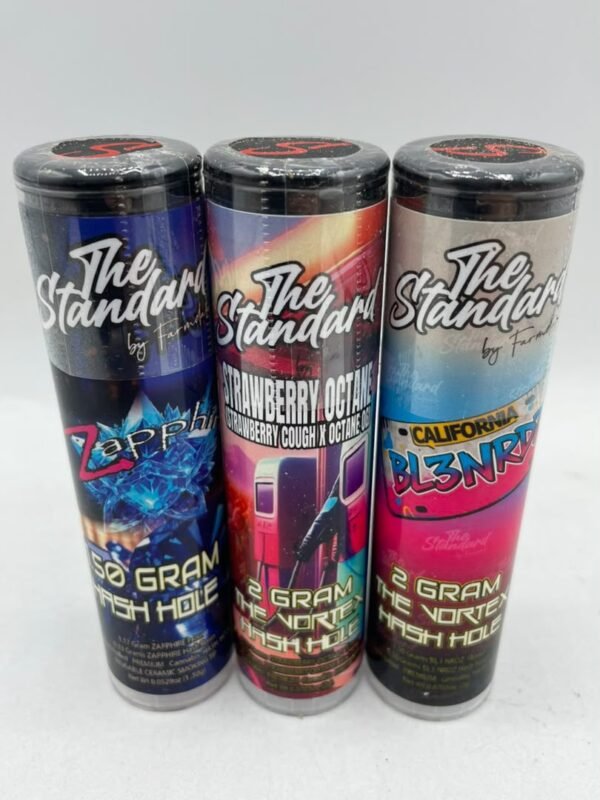
Hash holes are cannabis flower products that combine cannabis flower with a concentrated cannabis extract, commonly hash rosin. They are sometimes prepared as infused pre-rolls or similar flower products. The defining feature is the combination of flower and a concentrated cannabis component rather than flower alone.
Because products sold as hash holes can vary considerably in composition, potency, and formulation, the product label and batch-specific laboratory testing are important sources of information.
What Is a Hash Hole?
A hash hole generally refers to cannabis flower combined with a concentrated cannabis product, most commonly hash rosin. The term may describe different product formats depending on the producer.
Hash rosin is a solventless cannabis concentrate produced by mechanically separating and concentrating resin-rich cannabis material. It contains cannabinoids and aromatic compounds naturally found in cannabis.
The amount of flower and rosin can vary between products, so there is no universal hash-hole formulation.
Hash Hole Composition
A typical hash hole may contain:
- Cannabis flower
- Hash rosin or another cannabis concentrate
- Cannabinoids such as THC and CBD
- Naturally occurring terpenes
- Other plant compounds found in cannabis
The precise composition depends on the cannabis genetics, flower quality, concentrate used, and manufacturing process.
Cannabinoid Profile
Cannabis flower and hash rosin can both contain cannabinoids such as THC and CBD. Hash rosin may have a substantially higher cannabinoid concentration than ordinary flower.
As a result, the total cannabinoid concentration of a hash-hole product can vary significantly depending on the ratio and potency of its ingredients. A certificate of analysis is the most reliable way to determine the THC, CBD, and other cannabinoid concentrations of a specific batch.
Terpenes and Aroma
Terpenes are naturally occurring aromatic compounds that contribute to cannabis aroma and flavor. Common cannabis terpenes include:
- Myrcene
- Limonene
- Caryophyllene
- Pinene
- Linalool
The terpene profile of a hash hole depends on both the flower and the concentrate. Processing, genetics, drying, curing, and storage can also influence the final aromatic characteristics.
How Hash Holes Are Produced
Legally manufactured hash-hole products generally involve several stages:
- Cannabis cultivation – Flower is cultivated under controlled environmental conditions.
- Harvesting – Mature cannabis flowers are harvested.
- Drying and curing – The flower is dried and cured to stabilize moisture and preserve its characteristics.
- Concentrate production – Cannabis material is processed using an appropriate solventless method to produce hash rosin.
- Product assembly – Prepared flower and hash rosin are combined according to the manufacturer’s formulation.
- Quality control – Regulated products may be tested for cannabinoids, terpenes, pesticides, heavy metals, microbial contamination, and other contaminants.
- Packaging – The finished product is packaged and labeled according to applicable regulations.
Exact production methods vary between manufacturers.
Hash Holes vs. Regular Pre-Rolls
A standard cannabis pre-roll generally contains prepared cannabis flower in a rolling paper or cone. A hash hole adds a concentrated cannabis component, such as hash rosin, to the formulation.
This difference can affect the overall cannabinoid concentration and physical characteristics of the finished product. Consumers should therefore check the product’s laboratory results rather than assuming that all pre-rolls or hash holes have the same potency.
Product Quality and Laboratory Testing
When evaluating a hash-hole product, useful information includes:
- Total product weight
- THC concentration
- CBD concentration
- Total cannabinoids
- Terpene profile
- Ingredients
- Batch or lot number
- Laboratory testing results
- Producer or manufacturer
- Packaging date
Laboratory testing can also provide information about applicable contaminant screening, depending on the regulations of the market where the product is sold.
Consumption and Safety
Where cannabis is legal, hash-hole products may be intended for inhalation through smoking or another method specified by the manufacturer. Consumers should follow the product label and applicable regulations.
Cannabis can affect attention, coordination, reaction time, and judgment. Avoid driving or operating machinery while impaired, and avoid combining cannabis with alcohol or other intoxicating substances. Cannabis products should be stored securely away from children and pets.
Storage
Cannabis products should be stored according to the manufacturer’s instructions. Protecting flower and concentrates from excessive heat, direct sunlight, moisture, and prolonged exposure to air can help preserve their physical and aromatic characteristics.
Frequently Asked Questions
What are hash holes?
Hash holes are cannabis flower products that incorporate a cannabis concentrate, commonly hash rosin. The exact formulation varies by producer.
What is hash rosin?
Hash rosin is a solventless cannabis concentrate made by mechanically separating and concentrating resin-rich cannabis material.
Are hash holes stronger than regular flower?
They can contain a higher cannabinoid concentration because they combine flower with concentrated cannabis material. However, potency varies between products and should be verified through laboratory testing.
What is inside a hash hole?
Depending on the product, it may contain cannabis flower and hash rosin, along with naturally occurring cannabinoids and terpenes.
How much THC is in a hash hole?
There is no universal THC level. The amount depends on the potency and proportions of the flower and concentrate. Check the product’s certificate of analysis for batch-specific information.
Final Thoughts
Hash holes are a distinctive category of cannabis products that combine cannabis flower with concentrated material, most commonly hash rosin. Their composition, cannabinoid concentration, terpene profile, and physical characteristics can vary significantly between producers and batches.
For reliable information about a specific hash-hole product, consumers should consult its packaging and laboratory testing results. These sources provide more accurate information about cannabinoid content, ingredients, and quality-control testing than the product name alone.
