
Uncategorized
Cherry Jane Flower
Cherry Jane Flower: Exploring Its Aroma, Appearance, Genetics & Characteristics
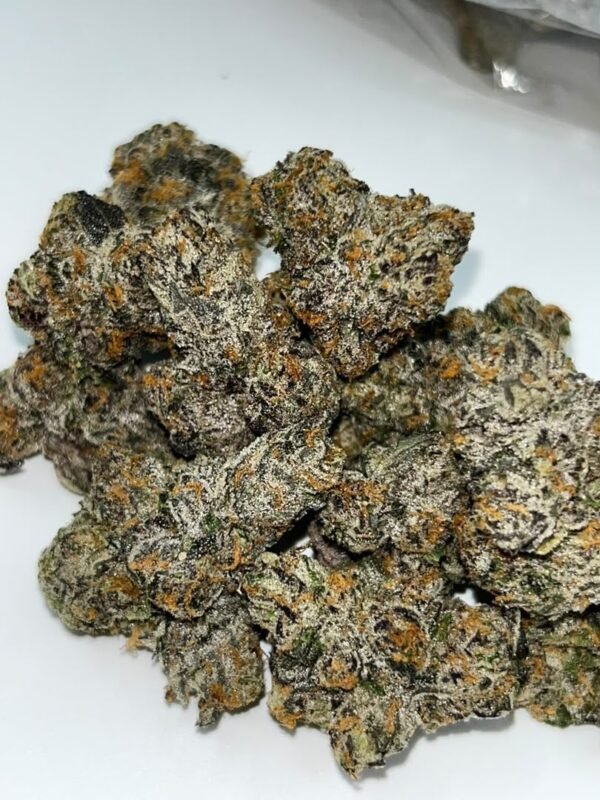
Cherry Jane Flower is a distinctive cannabis variety that has attracted attention for its aromatic character, visual appeal, and resin-rich flower structure. With a name that suggests cherry-inspired characteristics, Cherry Jane may offer a combination of fruity, sweet, earthy, and herbal notes depending on the specific genetics and production batch.
For consumers and cannabis enthusiasts researching modern flower varieties, understanding the appearance, aroma, cannabinoid profile, terpene composition, cultivation process, and storage characteristics can provide useful insight into what makes a strain different.
What Is Cherry Jane Flower?
Cherry Jane Flower refers to the dried cannabis flowers associated with the Cherry Jane strain. Like other cannabis varieties, its characteristics can vary according to genetics, phenotype, cultivation environment, harvesting, drying, curing, and storage.
The flowers may develop a compact structure with visible trichomes and natural resin coverage. Depending on the batch, the buds can display different shades of green and may include contrasting pistils.
Because cannabis genetics can express differently from one harvest to another, the exact characteristics of Cherry Jane should be verified through current product information and laboratory testing when available.
Cherry Jane Aroma Profile
One of the most interesting characteristics associated with Cherry Jane is its potential aromatic profile.
Depending on the specific phenotype and batch, the flower may express:
- Cherry-like fruity notes
- Sweet aromatic tones
- Earthy characteristics
- Herbal nuances
- Mild gassy or pungent notes
- Complex terpene combinations
The aroma of cannabis flower is strongly influenced by terpenes. These naturally occurring aromatic compounds contribute to the smell and flavor of cannabis and can vary significantly between plants.
For this reason, two batches marketed under the same strain name may not smell exactly the same.
Appearance of Cherry Jane Flower
Cherry Jane may produce flowers with a dense or compact structure and noticeable trichome coverage. Trichomes are small resin-producing structures found primarily on the surface of cannabis flowers.
A visually appealing batch may display:
- Noticeable trichome coverage
- Natural resin development
- Compact flower structure
- Green coloration
- Contrasting pistils
- A well-developed aromatic profile
Appearance alone, however, does not determine cannabinoid potency or overall product quality. Laboratory analysis provides more reliable information about cannabinoid concentrations and potential contaminants.
Cherry Jane Cannabinoid Profile
The cannabinoid profile of Cherry Jane can vary between producers and batches. THC and CBD levels are influenced by genetics, cultivation conditions, plant maturity, harvesting, and post-harvest handling.
When available, laboratory results can provide information about:
- THC concentration
- CBD concentration
- Other cannabinoids
- Terpene composition
- Contaminant testing
Consumers should refer to the current packaging and laboratory report associated with the specific batch for accurate information rather than relying solely on general strain descriptions.
Understanding the Terpene Profile
Terpenes are naturally occurring aromatic compounds found in cannabis and many other plants. They contribute significantly to the smell and flavor of cannabis flower.
A Cherry Jane batch with strong fruity characteristics may have a different terpene expression from another batch with more earthy or gassy characteristics.
Common cannabis terpenes can include compounds such as myrcene, limonene, caryophyllene, and pinene. However, the presence and concentration of these compounds should be confirmed through batch-specific laboratory testing.
How Cherry Jane Flower Is Produced
Cannabis flower generally goes through several stages before becoming a finished product.
Genetics and Propagation
Production begins with selected cannabis genetics. Producers propagate plants according to their cultivation and quality-control practices.
Vegetative Growth
During the vegetative stage, plants develop their foliage and overall structure. Environmental conditions are monitored to support healthy plant development.
Flowering
During flowering, cannabis plants develop their flowers and begin producing larger amounts of cannabinoids, terpenes, and trichomes.
Harvesting
Mature flowers are harvested according to the producer’s quality and maturity standards.
Drying
Freshly harvested flowers contain significant moisture and are carefully dried to prepare them for further processing.
Curing
A controlled curing stage may help stabilize moisture and develop the final aroma, texture, and overall characteristics of the flower.
Testing and Packaging
Where required, finished cannabis products are tested for cannabinoids and potential contaminants before being packaged and labeled according to applicable regulations.
Why Flower Storage Matters
Proper storage can help maintain the quality and characteristics of cannabis flower. Exposure to excessive heat, light, moisture, or air can negatively affect aroma, texture, and overall product stability.
Cherry Jane flower should be kept in its original or appropriate sealed packaging and stored according to the manufacturer’s recommendations. Cannabis should always be kept securely away from children and pets.
Cherry Jane Flower and Responsible Use
Cannabis can affect attention, coordination, reaction time, and judgment. Products containing THC may cause impairment, and individual responses can vary.
Cherry Jane and other cannabis products should only be possessed or used where legally permitted. Users should follow applicable laws and product labeling, avoid driving or operating machinery while impaired, and avoid combining cannabis with alcohol or other intoxicating substances.
Frequently Asked Questions About Cherry Jane Flower
What is Cherry Jane Flower?
Cherry Jane Flower is cannabis flower associated with the Cherry Jane strain. It may be recognized for fruity or cherry-inspired aromatic characteristics, visible trichomes, and a resin-rich appearance.
Does Cherry Jane always smell like cherries?
Not necessarily. Although cherry and fruity notes may be associated with the strain name, aroma can vary considerably between genetics, phenotypes, growers, and batches.
Is Cherry Jane high in THC?
The THC concentration can vary between batches. The most reliable source of potency information is the current laboratory report or product label.
What does Cherry Jane flower look like?
Cherry Jane may feature compact flowers with visible trichomes, natural resin, green coloration, and contrasting pistils. Exact appearance depends on the production batch.
How should Cherry Jane be stored?
Store cannabis flower securely according to the manufacturer’s recommendations, protecting it from excessive heat, light, moisture, and air. Keep it away from children and pets.
Final Thoughts
Cherry Jane Flower is an interesting cannabis variety for those exploring modern cannabis genetics, aromatic flower profiles, trichome development, and cannabinoid composition. Its potential combination of cherry-like, sweet, earthy, herbal, and gassy characteristics gives it a distinctive identity, although the exact profile can vary between batches.
For the most accurate information, always check the specific product packaging and laboratory results for cannabinoid potency, terpene composition, and quality testing. Cannabis products should be handled responsibly and only where permitted by applicable law.
